
Construction Manager vs. General Contractor: What’s the Difference?

You’re ready to remodel, so you start researching contractors and how the process works. Pretty quickly, the terminology piles up: general contractor, project manager, construction manager.
If you’re asking, “what is a construction manager?”, this guide explains what they do during a remodel, why their role matters, and what to look for before you hire so you feel confident your home is in the right hands.
What Is a Construction Manager?
A construction manager is the person responsible for keeping a remodeling project organized and moving forward. They coordinate the schedule, trades, materials, inspections, quality control, and homeowner communication from construction through to completion.
Homeowners hire a construction manager so they don’t have to manage all those moving pieces themselves. Instead of figuring out what comes next or who to call when something changes, you have one person overseeing the work and keeping everyone on the same page.
7 Things Construction Managers Manage During a Home Remodel
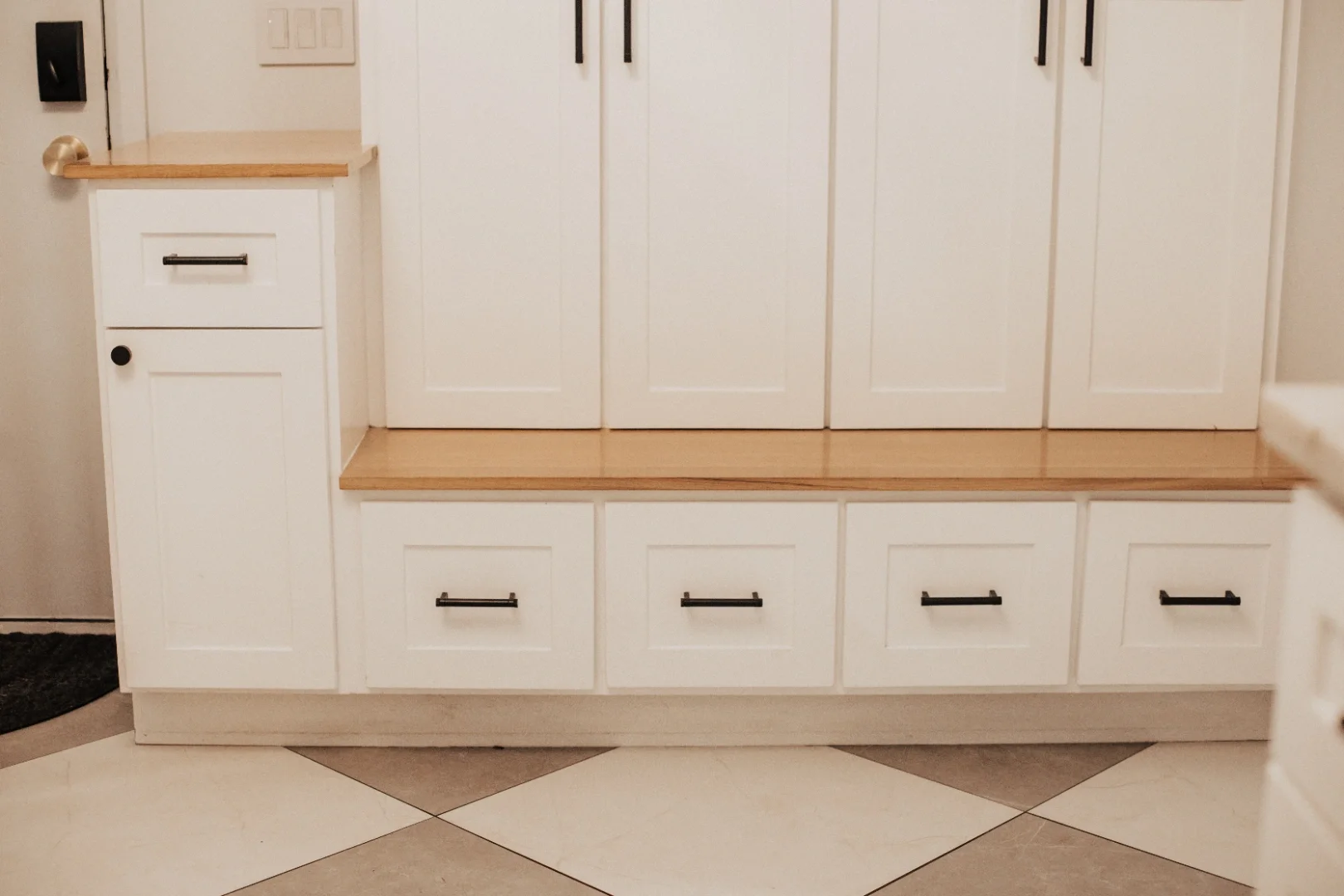
Whether managing a bathroom remodel, basement remodel, kitchen remodel, or whole-home update, a residential construction manager is there to connect the plan on paper to what’s actually happening inside your house.
#1. Keeping Your Construction Schedule Moving
Remodeling isn’t a free-for-all where whichever trade is available shows up next. Demolition then leads into framing, followed by plumbing, electrical, inspections, drywall, flooring installation, cabinetry, tile, paint, fixtures, and final details.
The construction manager keeps that domino line standing. When one phase shifts, they adjust what comes next so the project doesn’t grind to a halt.
#2. Coordinating Contractors and Trades
Kitchen remodeling alone might involve carpenters, electricians, plumbers, cabinet installers, tile setters, painters, and other specialty trades. The homeowner shouldn’t have to referee that lineup.
Your construction project manager coordinates who needs to be there, when they need access, and what needs to be completed before the next trade walks through the door.
#3. Managing Materials and Deliveries
A beautiful faucet doesn’t help your bathroom remodel much if it’s sitting in a warehouse three states away when the plumber needs it.
Construction management includes tracking materials, coordinating deliveries, confirming products match the project specifications, and handling damaged, missing, or incorrect items before they create bigger delays.
#4. Catching Quality Issues Before They Become Bigger Problems
Quality control starts before construction begins because every phase affects the next. Framing, plumbing, electrical, cabinetry, and finishes all need to be checked along the way so small issues don’t get buried and turn into bigger, more expensive problems later.
A good home remodeling project manager reviews work throughout construction so they can address questions while that phase is still underway. It’s much easier to correct something when the wall is open than after the paint is dry.
#5. Coordinating Inspections and Project Requirements
Larger remodeling projects involve building permits and inspections for electrical, plumbing, mechanical, and structural work.
The construction manager works those milestones into the schedule so they don’t become roadblocks halfway through the project. They also make sure the right work is completed and ready before each inspection, helping prevent rework and unnecessary backtracking.
#6. Communicating With the Homeowner
Communication isn’t a nice extra in remodeling project management. It’s part of the job.
Your construction manager should keep you informed about progress, decisions you need to make, schedule changes, and questions coming from the field. You shouldn’t need to chase five different people just to understand where your project stands.
#7. Solving Problems When the House Has Other Plans
Existing homes like to reveal their hidden inconveniences once demolition begins. Old plumbing, unexpected framing, uneven surfaces, hidden damage, or a previous renovation means what the team finds behind the wall isn’t quite what they expected.
That doesn’t mean the project is doomed. It means the construction manager needs to assess what changed, explain the options clearly, coordinate the right response, and keep the project moving.
Construction Manager vs. General Contractor: What’s the Difference?
A construction manager oversees how the project comes together, coordinating schedules, trades, materials, inspections, and communication. A general contractor is responsible for completing the construction work, either with their own team or by hiring subcontractors.
The difference is simple: the general contractor is responsible for getting the work built, while the construction manager is responsible for coordinating how that work gets done.
One other title of note: A house renovation contractor is a type of contractor that specializes in updating existing homes, which means working around existing structures, systems, and sometimes occupied spaces. Pasted text
Why a Good Construction Manager Makes Remodeling Easier

A construction manager matters so much during remodeling because they keep the project organized and moving forward. Instead of confusion and costly delays, one person is actively managing your remodel to keep the dots constantly connected.
That reduces a lot of the uncertainty homeowners feel during a remodel. You don’t have to manage trades, track deliveries, chase updates, or figure out how one delay affects the rest of the schedule.
On the technical side, a good construction manager keeps the project running smoothly by properly sequencing trades, catching issues early, coordinating inspections and materials, monitoring quality, and helping decisions happen quickly when things shift.
Your Construction Manager is a Premier Remodeling Owner
At Premier Remodeling, the owners themselves serve as your construction managers. That means the people running the company are directly involved in coordinating your project, communicating with you, working with trades, and keeping construction moving.
That creates a clear line of accountability. Questions don’t have to travel through layers of management, and you know exactly who to call when a decision needs to be made or something changes on site.
That owner-led involvement shows up in the finished work, too. Take a look at our remodeled kitchens, bathrooms, and basements to see what that level of oversight produces across Central Ohio homes.
10 Construction Management Questions to Ask Before You Hire
Before choosing a remodeling contractor in Columbus, Ohio, ask questions around their management approach, communication, and process. The answers tell you a lot about how the remodeling experience will actually feel once the hammers start swinging. Ask things like;
Who will be my construction manager?
When will I meet them?
How many projects do they manage at once?
How often will they be on site?
Who do I contact with questions?
How are schedule updates communicated?
Who coordinates subcontractors?
Who reviews work as construction progresses?
How are changes handled?
What happens if an unexpected condition is uncovered?
Remodel Confidently with Premier Remodeling

If you want a remodeling experience with clear communication, hands-on oversight, and no mystery about who’s in charge, Premier Remodeling is built for that.
Our owners serve as your construction managers, so you always know who’s responsible, who to call, and who’s keeping your project moving. You get clearer answers, faster decisions, and a more organized remodeling experience from start to finish. Schedule your consultation today.
What Is a Construction Manager? Frequently Asked Questions
Is a construction manager the same as a project manager?
Sometimes. In residential construction, the titles may overlap. Depending on the company, a project manager may oversee the entire project while a construction manager focuses more heavily on field execution. Ask each remodeler exactly who will be responsible for your project.
Why is construction management important in remodeling?
Remodeling requires multiple trades, materials, inspections, decisions, and construction stages to happen in the right order. A dedicated construction manager coordinates those moving pieces while giving the homeowner one clear point of contact.
Do I need a construction manager for a home remodel?
For larger remodels with multiple trades, inspections, deliveries, and moving parts, having a construction manager can make the process much easier to navigate. They give you one person responsible for coordinating the work and keeping the project on track.
When should a construction manager get involved?
Ideally, before construction begins. Early involvement helps align the schedule, materials, trade coordination, inspections, and homeowner communication before work starts, instead of trying to organize those pieces once the project is already underway.
What should I expect from a good construction manager?
A good construction manager should communicate clearly, stay on top of the schedule, coordinate trades and materials, monitor quality, handle issues as they come up, and make sure you always know where the project stands.
What’s the difference between a construction manager and a general contractor?
A general contractor is responsible for completing the construction work, either with their own team or by hiring subcontractors. A construction manager oversees how that work comes together by coordinating schedules, trades, materials, inspections, and quality control.
