
What to Look for in a House Renovation Contractor
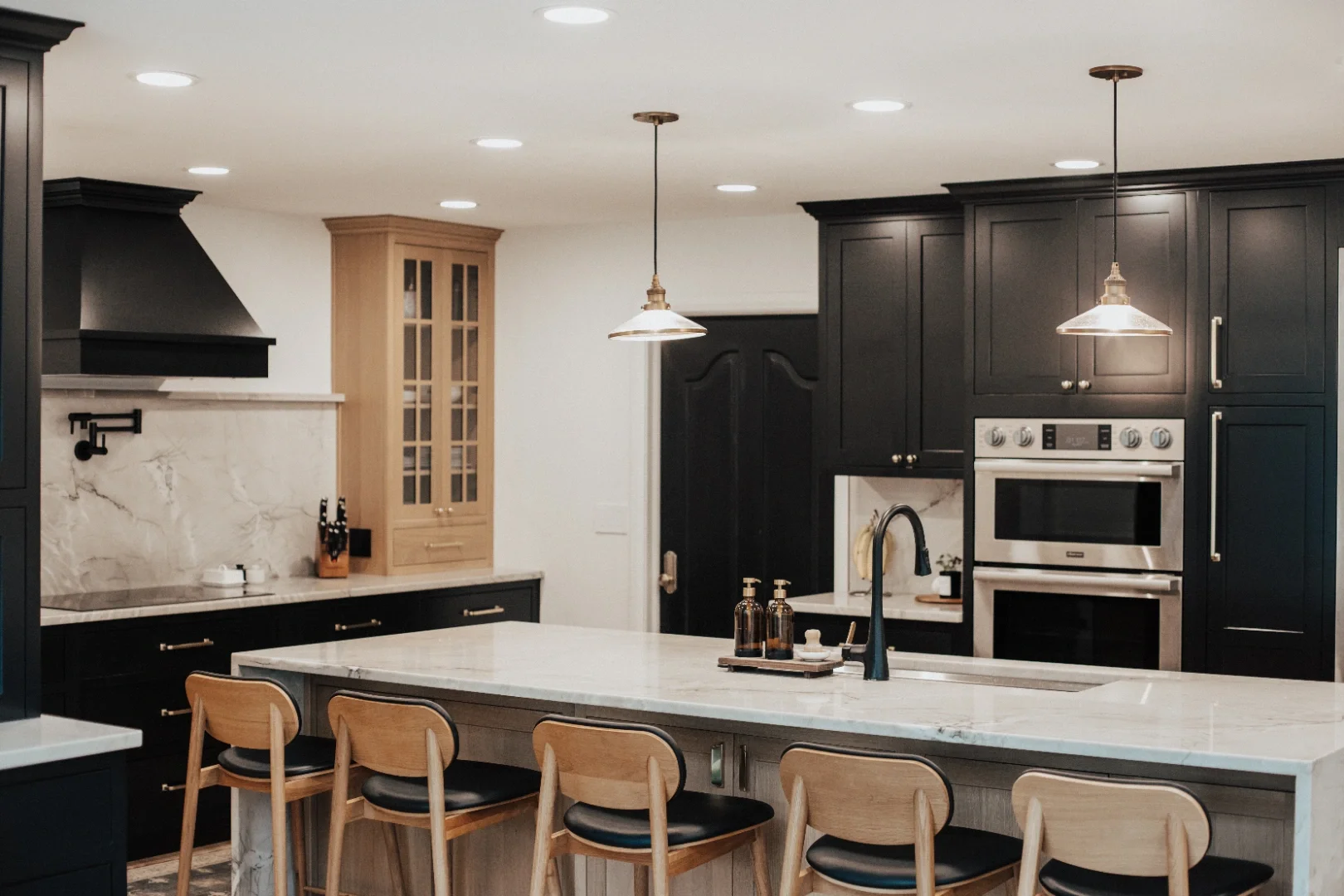
You’ve checked out a few portfolios, narrowed down what you want to change, and started thinking seriously about budget. Now comes the harder part: choosing a house renovation contractor you can actually trust with your home, your money, and months of decisions.
This guide walks you through exactly what to look for in a house renovation contractor, what questions to ask, how to compare estimates, and which details give you confidence before you sign a contract.
What Does a House Renovation Contractor Do?
A house renovation contractor oversees the construction and coordination required to update, reconfigure, or expand an existing home.
Depending on the company and the project, that includes estimating, permitting, scheduling, demolition, carpentry, plumbing, electrical work, material coordination, subcontractor management, and inspections.
A general contractor, remodeling contractor, and design-build contractor all operate differently, so one of the smartest questions to ask is simple: Who is responsible for each stage of my project?
12 Essential Things to Look for in a House Renovation Contractor
Use this whole house renovation checklist of questions to see if a contractor is right for your project.
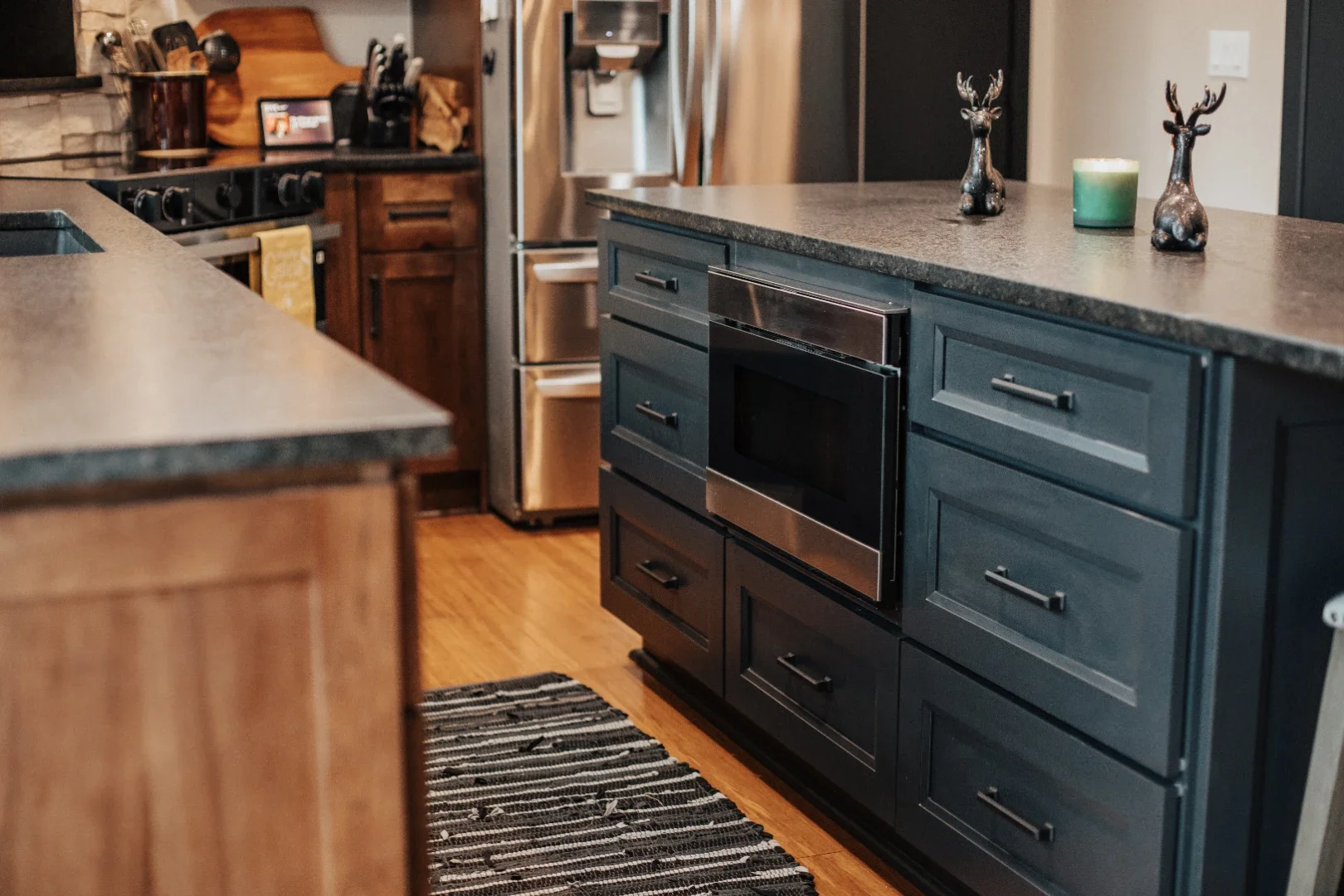
#1. Experience With Projects Like Yours
Years in business matter, but relevant experience matters more. A whole house renovation contractor should be comfortable with the kind of work your project demands, like structural changes, kitchens, bathrooms, older homes, or renovating while the house is occupied.
#2. A Portfolio That Proves Consistent Quality
Beautiful photos are useful, but look closer. Study cabinetry, flooring, trim, tile, transitions between old and new spaces, and before-and-after layouts. A strong portfolio should show consistency and expertise.
#3. A Clear, Proven Planning Process
A good contractor explains what happens before the estimate and through the whole project. We’ve found that homeowners feel much more confident when they know what decisions are coming next instead of being asked to make them mid-construction.
#4. A Detailed Written Scope of Work
A quote should tell you more than a number. Look for details around demolition, labor, cabinetry, flooring, plumbing, electrical, painting, permits, cleanup, allowances, exclusions, and change orders.
#5. Transparent Pricing and Allowances
Ask what’s fixed, what’s an allowance, and what could change. An allowance is a budgeted amount for a material or selection that hasn’t been finalized yet. If the allowance is unrealistically low, the final price creeps upward once real selections are made.
#6. Clear Communication From Day One
Pay attention before construction starts. Are questions answered clearly? Do you know who you’ll hear from? Communication before the contract is a preview of what communication will feel during the project.
#7. One Clear Point of Contact
You should know who manages scheduling, coordinates trades, answers homeowner questions, and handles job-site decisions. That clarity matters when something unexpected pops up, and in remodeling, sometimes something does.
#8. Proper Insurance and Required Credentials
Ask for proof of liability insurance and any required workers’ compensation coverage. In Ohio, general contractor requirements vary by municipality, while specialty trades like electrical, plumbing, and HVAC have separate licensing requirements.
#9. Proven Local Permit Knowledge
A Columbus-area renovation contractor should understand local permitting requirements for structural, plumbing, electrical, HVAC, home addition, and basement work. Because rules vary by municipality, local experience keeps the project compliant and moving smoothly.
#10. References Who Will Tell You About the Process
Don’t just ask, “Were you happy?” Ask whether the contractor started when expected, communicated consistently, handled changes clearly, kept the site orderly, and responded well when problems came up. One of the best questions: Would you hire them again?
#11. A Written Change-Order Process
Changes happen. The important part is how they’re handled. A written change order documents what changed, the cost impact, the timeline impact, and approval. Avoid major scope changes that live only in a text thread or hallway conversation.
#12. A Client Experience That Builds Confidence
You may be working with this company for weeks or months. Do they listen? Explain? Show up prepared? Respect your priorities? Make the process feel organized? The right house renovation contractor reduces complexity, not adds another layer of it.
Essential Questions to Ask a Remodeling Contractor
Bring these questions into your interviews. They’ll help you compare process, not just price:
How many projects like mine have you completed?
Who will manage my project?
What’s included in the estimate?
What’s excluded?
How are allowances handled?
Who pulls permits and schedules inspections?
Do you use employees, subcontractors, or both?
How are scope changes documented?
How often will I receive updates?
What happens if something unexpected is uncovered?
Can I speak with recent clients?
What does your payment schedule look like?
What happens during the final walkthrough?
How to Compare Contractor Estimates the Right Way
Don’t compare bottom-line totals until you’ve compared scope. Look at materials, design, permits, project management, cleanup, warranties, and timeline assumptions.
If Contractor A quotes $85,000 and Contractor B quotes $97,000, but Contractor B includes cabinetry installation, flooring, permitting, stronger allowances, and full project management, those proposals aren’t truly $12,000 apart.
Remodeling Red Flags Worth a Closer Look
A vague scope, pressure to sign immediately, undocumented work, unclear answers about permits or insurance, no communication process, unverifiable references, or a price far below other bids all deserve a closer look.
None of these automatically means a contractor is the wrong fit. They simply mean it’s time to slow down, ask questions, and get clarity before moving forward.
A professional contractor should be able to explain what’s included, who’s responsible for what, how changes are handled, and what happens if something unexpected comes up. If the answers stay fuzzy after you ask, that’s useful information too.
Why Local Remodeling Experience Matters in Columbus

Central Ohio homes vary widely, from older Columbus properties to established Worthington and Westerville neighborhoods, larger New Albany homes, and growing communities like Plain City and Delaware.
A local home remodeling contractor brings familiarity with municipal permitting, local suppliers, older electrical and plumbing systems, seasonal construction, and housing styles. That experience keeps planning grounded in reality instead of assumptions.
How Much Does a House Renovation Contractor Cost?
For a substantial whole-home renovation in Columbus, a realistic planning range is often $100–$250 per square foot, depending on how much structural, mechanical, kitchen, bathroom, and finish work is involved.
Local 2026 estimates also put many whole-house renovations around $100,000–$220,000+, with complex, high-finish projects climbing beyond that.
When homeowners ask us what a renovation costs, we start with scope. Two 2,500-square-foot homes carry very different budgets if one needs mostly cosmetic updates and the other involves moving walls, replacing systems, remodeling multiple bathrooms, and rebuilding the kitchen.
House Renovation Contractor: Frequently Asked Questions
Is $100,000 enough to renovate a house?
Yes. $100,000 can cover a substantial renovation, especially if you’re focusing on a few key spaces rather than reworking the entire home. Major structural changes, multiple bathrooms, custom cabinetry, or whole-home renovations can push the budget well beyond that.
How far in advance should I hire a house renovation contractor?
For a major renovation, start talking with contractors several months before you hope construction will begin. Design, permits, material selections, and scheduling all take time, and starting early gives you more room to make thoughtful decisions instead of rushing them.
How many contractor estimates should I get?
Many homeowners compare two or three qualified contractors, but the goal isn’t simply to collect the lowest numbers. Compare the scope, allowances, materials, project management, timeline, and exclusions so you know whether you’re actually pricing the same project.
What should be included in a remodeling contractor’s estimate?
A detailed estimate should clearly explain the scope of work, labor, major materials, allowances, permits, exclusions, payment schedule, and how changes will be handled. The clearer the proposal is before construction, the fewer assumptions everyone has to make later.
Should my renovation contractor handle permits?
In many full-service remodeling projects, the contractor coordinates the necessary permits and inspections, but you should confirm that responsibility before signing. Ask which permits your project requires, who will obtain them, and whether those costs are included in the proposal.
What’s the difference between a general contractor and a remodeling contractor?
A general contractor manages many types of construction, while a remodeling contractor specializes in updating existing homes. That experience helps when working around existing structures, systems, and occupied spaces.
Find a House Renovation Contractor You Can Trust

If you’re planning a major home renovation, choose a contractor who makes the process feel organized from the start. Premier Remodeling combines thoughtful planning, clear communication, owner-led oversight, and experienced craftsmanship so you move forward with confidence. Schedule your consultation today.
